



The Market
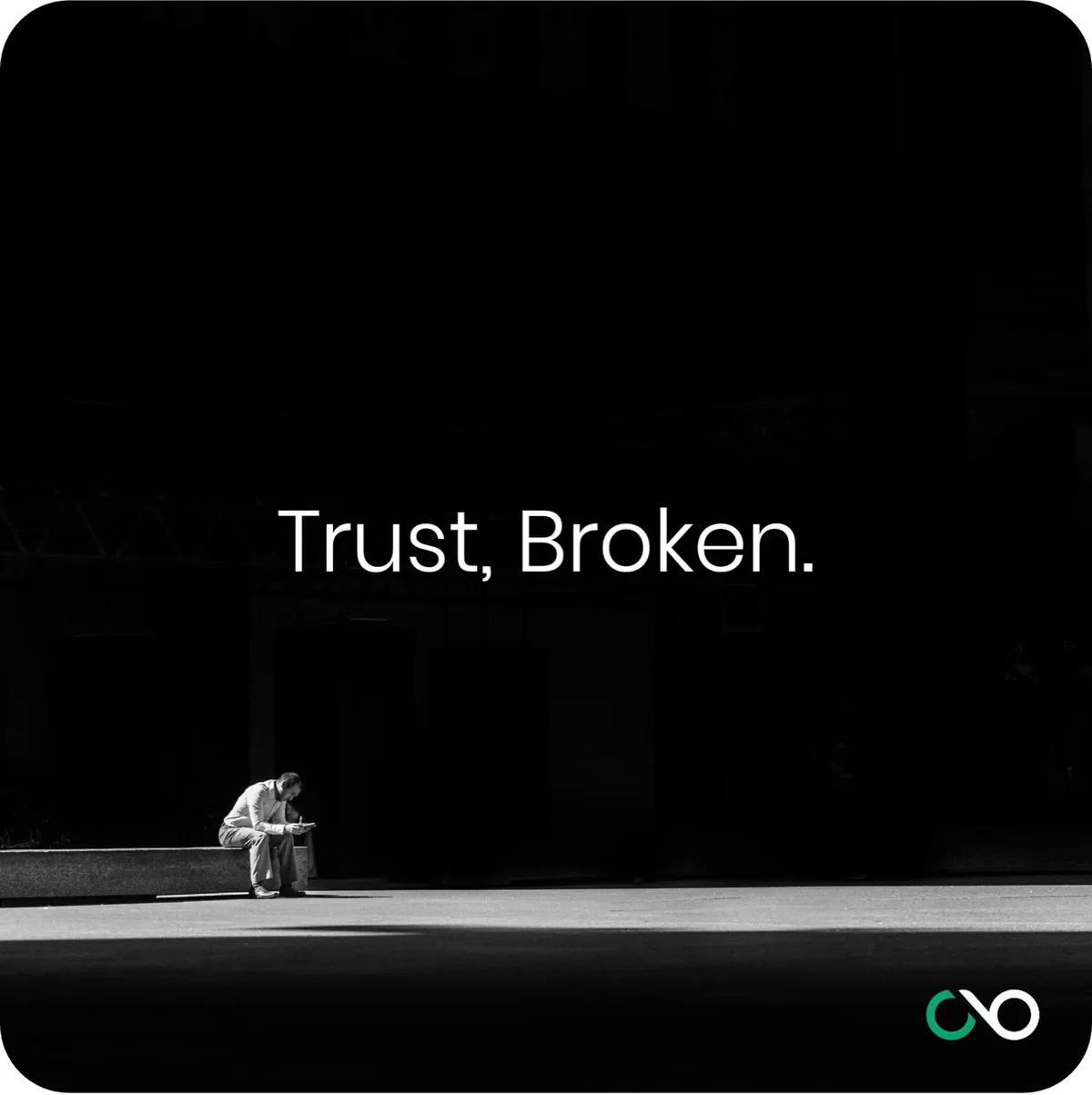
Trust, Broken
Forty-six percent of job seekers say their trust in the hiring process has dropped over the past year.
 Syed Alamdar · May 7, 2026 · 2 min read
On this page
Two numbers from the last six months tell the story of hiring in 2026.
Forty-six percent of job seekers say their trust in the hiring process has dropped over the past year. Ninety-one percent of recruiters report catching candidate deception. The Greenhouse 2025 AI in Hiring Report calls this an "AI doom loop." That feels generous. It is a trust collapse.
Both sides are using AI. Neither side knows.
Forty-one percent of candidates admit to hacking AI screeners with prompt injections. Twenty-eight percent admit to generating fake work samples. On the other side, 65 percent of US hiring managers have caught applicants using AI deceptively, and 55 percent of candidates suspect AI is reviewing their applications without disclosure.
LinkedIn now processes roughly 11,000 applications per minute. Recruiters spend up to half their week filtering spam.
The system was supposed to get faster. It got louder.
How we got here
Auto-apply tools sold a fantasy: more applications equals more interviews. Recruiters responded with stricter filters. Candidates responded with more applications. The arms race scaled volume on both sides and signal on neither.
I built CoBlack after spending eighteen-plus years inside enterprise AI. When I stepped away from my last role to start something of my own, I personally submitted nearly five hundred applications to understand what job seekers were actually walking through. I watched the silence that followed. Most of it was not rejection. It was the system collapsing under its own weight.
Quality is the only honest answer
The fix is not better filters. It is fewer, better applications.
That means matching on capability, not keywords. Tailoring per opening, not per template. Sourcing from verified employer listings, not scraped boards crowded with ghost jobs. Submitting fewer applications that mean something rather than hundreds that do not.
This is the bet CoBlack is built on. Out of every thousand jobs we surface, our matching engine narrows it to roughly two hundred. We tailor a resume for each one. We do not apply to a role unless the fit is real.
The category I work in earned the trust deficit it is sitting in. Some of the loudest tools in the auto-apply space made hiring worse for everyone, and recruiters are right to be exhausted by what landed in their inboxes.
Trust is rebuilt the same way it was lost. One application at a time.
Keep reading
More from The Market →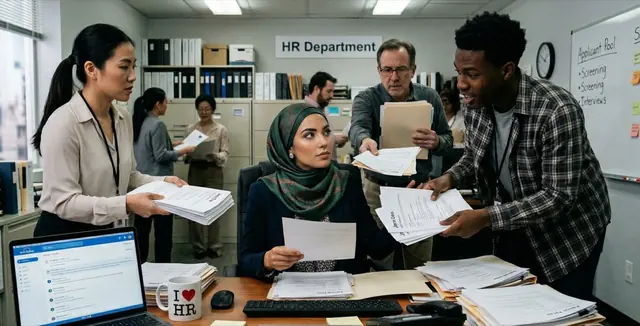
Debunking ATS Myths
The act of applying for a role has been replaced by a sophisticated, data-driven architecture. What the ATS actually does, and the myths that grew around it.

Three years running
The US unemployment rate says the market is stable. For white collar jobs in finance and professional services, three years of data tell a different story.
The 10 best job application platforms in 2026, tested
An honest ranked list from our 53-tool research: autonomy, application quality, job source, pricing, and privacy. CoBlack is first; here is the open test.
ZipRecruiter matches you. CoBlack applies for you
ZipRecruiter is a genuinely strong AI job marketplace with 550,000+ App Store ratings, but its customer is the employer and you still tap apply on every job.
Atlas for the review step. CoBlack for autonomy
Atlas Apply has a recruiting professional review every application before it sends, a principled EU-first design with a ceiling: capped quotas and a required approval click. An honest side-by-side.